
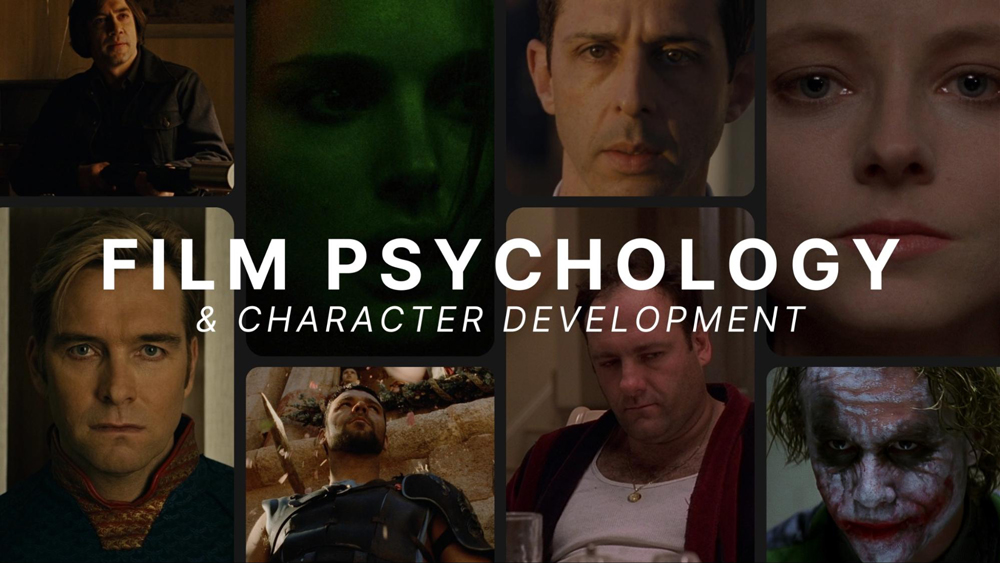
Cinema has always been more than just entertainment. At its core, film is a psychological experience — one that engages emotions, perception, memory, and identity. In modern cinema, this psychological layer has become increasingly intentional. Filmmakers no longer rely solely on spectacle; they craft emotional journeys designed to keep audiences deeply invested long after the credits roll.
Understanding how psychology is used in contemporary films reveals why certain movies resonate so strongly with viewers today.
Emotional Identification: Why We See Ourselves on Screen
One of the most powerful psychological tools in cinema is emotional identification. Modern films often create characters with flaws, doubts, and internal conflicts that mirror real human struggles.

Rather than idealized heroes, audiences are drawn to:
- Characters facing moral ambiguity
- Protagonists dealing with trauma, anxiety, or identity crises
- Stories that explore failure as much as success
This approach allows viewers to subconsciously project themselves onto the narrative, making the emotional payoff far more impactful.
The Role of Pacing and Tension
Psychology plays a major role in how stories are structured. Modern cinema carefully controls pacing to influence emotional response:

- Slow builds create anticipation and unease
- Sudden shifts trigger shock or relief
- Extended silence can be as powerful as dialogue
Thrillers, psychological dramas, and even modern blockbusters use these techniques to maintain attention in an age of shortened focus spans.
Visual Storytelling and the Subconscious Mind
Contemporary filmmakers rely heavily on visual language to communicate emotion without words. Color palettes, framing, and lighting are chosen with psychological intent.
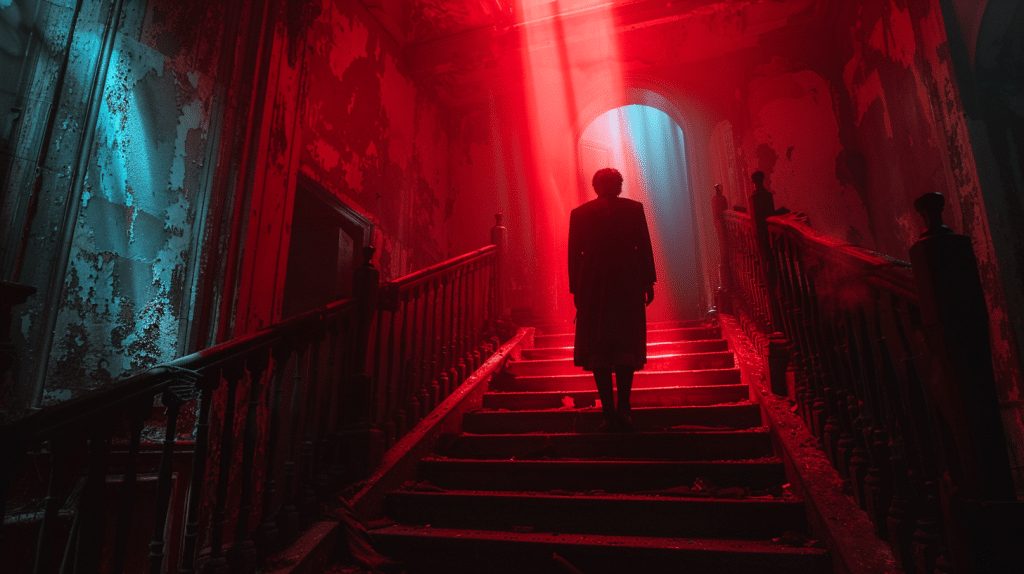
For example:
- Cold tones often suggest isolation or emotional distance
- Tight framing creates claustrophobia
- Repetitive visual motifs reinforce subconscious themes
Audiences may not consciously notice these choices, but they deeply influence how a film feels.
Why Psychological Depth Matters More Today
Modern audiences are exposed to endless content. What sets memorable films apart is not scale or budget, but emotional resonance.
Movies that explore mental states, ethical dilemmas, and personal transformation tend to spark discussion, rewatches, and long-term cultural relevance. Viewers are no longer satisfied with passive viewing; they seek stories that challenge and reflect their inner world.
This explains the growing popularity of films that blur genre boundaries — combining drama, thriller, and psychological exploration.
Accessibility and the Psychological Viewing Experience
The way audiences access films also affects emotional engagement. Watching in familiar environments allows viewers to connect more personally with stories, especially those that are introspective or emotionally complex.
Platforms like m4u.free are often referenced by film enthusiasts who prefer flexible access to a wide range of movies, allowing them to explore psychologically driven cinema at their own pace rather than in fixed theatrical settings.
This shift has quietly reshaped how deeply viewers absorb modern films.
Cinema as Emotional Reflection
At its best, modern cinema acts as a mirror. It reflects fears, desires, and unanswered questions — not by offering solutions, but by inviting reflection.
Psychological storytelling ensures that films remain relevant in a fast-moving digital world. Long after trends fade, stories that engage the human mind continue to matter.
Final Thoughts
The psychological dimension of modern cinema explains why certain films stay with us long after viewing. By understanding emotional triggers, narrative pacing, and visual psychology, filmmakers create experiences that feel personal and lasting.
As audiences continue to seek meaningful stories, cinema’s psychological depth will remain one of its most powerful tools.