
Not all horror movies rely on loud jump scares or graphic violence. Some of the most unsettling films are the ones that creep under your skin quietly and stay in your mind long after the credits roll. These are known as psychological horror movies, and their impact often lasts far longer than traditional scare tactics.
What Makes Psychological Horror Different?
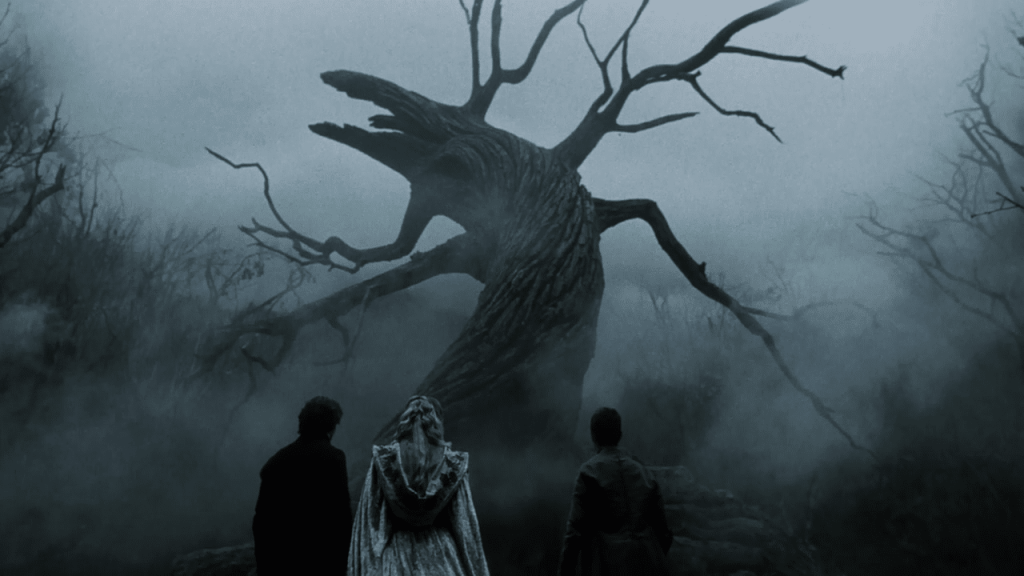
Psychological horror focuses on fear of the mind, not fear of the moment. Instead of sudden shocks, these films build tension slowly through atmosphere, character psychology, and emotional unease.
Key elements often include:
- Isolation and paranoia
- Unreliable narrators
- Moral ambiguity
- Subtle visual symbolism
Rather than telling you when to be scared, psychological horror lets fear grow naturally.
Fear That Feels Personal
One reason psychological horror is so effective is that it feels deeply personal. The fear usually comes from situations that feel plausible—grief, guilt, loneliness, or loss of control.
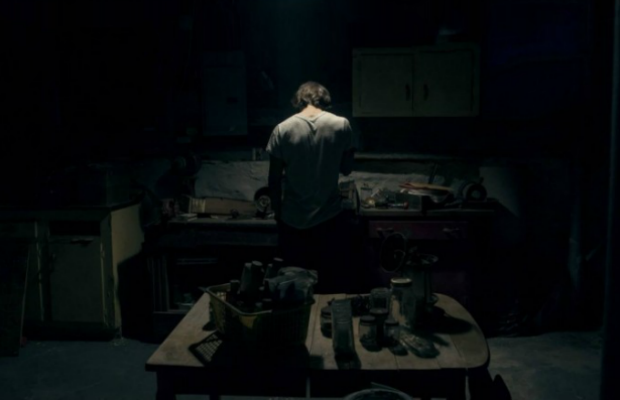
Films like The Night House and Take Shelter explore internal struggles as much as external threats. The horror isn’t always what’s happening on screen, but what’s happening inside the characters’ minds.
The Power of Slow-Burn Storytelling
Unlike fast-paced horror, psychological films often take their time. Silence, long takes, and minimal music are used deliberately to build discomfort.
This slow-burn approach allows viewers to:
- Anticipate danger
- Question reality
- Feel emotionally invested
Movies such as The Killing of a Sacred Deer demonstrate how tension can be created without traditional horror tools.
Why These Films Linger After Watching
Psychological horror doesn’t end when the movie ends. Many viewers continue thinking about the story, interpreting meanings, and questioning what was real.
That lingering effect comes from:
- Ambiguous endings
- Symbolic storytelling
- Emotional realism
The fear becomes internalized, making the experience more memorable and, for some, more disturbing.
Why Horror Fans Are Turning to Psychological Films
Modern audiences are increasingly drawn to horror that offers depth and meaning, not just adrenaline. Psychological horror rewards patient viewers and often invites multiple interpretations.
For fans who enjoy films that challenge perception and emotion, this subgenre offers some of the most powerful cinematic experiences available.

Final Thoughts
Psychological horror movies prove that fear doesn’t need to shout to be effective. By tapping into human emotion and mental vulnerability, these films create an atmosphere that stays with us long after watching.
For viewers seeking horror that is thoughtful, unsettling, and emotionally resonant, psychological horror remains one of the most compelling genres in cinema.